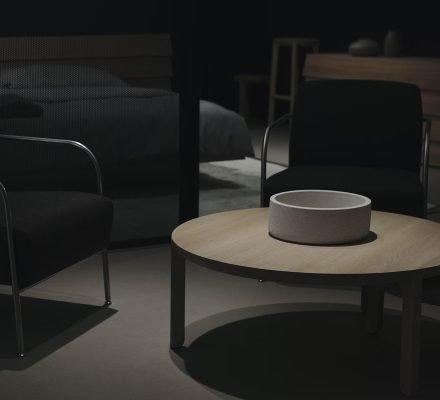


In recent years, a new trend has been sweeping the real estate market: co-living spaces. These innovative living arrangements offer a fresh perspective on communal living, catering specifically to the needs and preferences of millennials. Let’s delve deeper into the concept of co-living and explore how it’s reshaping the way young adults experience urban life.
Co-living spaces are more than just shared accommodations; they represent a lifestyle choice characterized by collaboration, community, and convenience. At their core, co-living spaces aim to provide affordable, flexible, and social living arrangements tailored to the needs of today’s urban dwellers.
One of the key attractions of co-living spaces is affordability. In an era marked by rising housing costs and stagnant wages, many millennials find traditional rental options financially burdensome. Co-living addresses this challenge by offering shared accommodations at a fraction of the cost of renting an entire apartment. By pooling resources and sharing expenses, residents can enjoy the benefits of city living without breaking the bank.
Beyond affordability, co-living spaces also prioritize flexibility. With short-term leases and fully furnished units, residents have the freedom to move in and out with ease, making co-living an attractive option for young professionals, digital nomads, and students who value mobility and adventure.
However, perhaps the most compelling aspect of co-living is its emphasis on community and social interaction. Unlike traditional apartments, co-living spaces are designed to foster a sense of belonging and camaraderie among residents. Shared amenities such as communal kitchens, lounges, and co-working spaces encourage spontaneous interactions, collaborative projects, and meaningful connections.
Moreover, co-living operators often curate a calendar of events and activities, ranging from networking sessions to yoga classes, to facilitate social engagement and create a vibrant community atmosphere. For millennials who crave social connections and shared experiences, co-living offers an ideal environment to forge friendships and build lasting relationships.
In conclusion, the rise of co-living spaces represents a paradigm shift in modern living, offering millennials a compelling alternative to traditional housing options. By prioritizing affordability, flexibility, and community, co-living spaces are redefining the way young adults experience urban life, fostering a sense of belonging and empowerment in an increasingly fragmented world. As the demand for affordable, community-oriented living solutions continues to grow, co-living is poised to become an integral part of the urban housing landscape for generations to come.