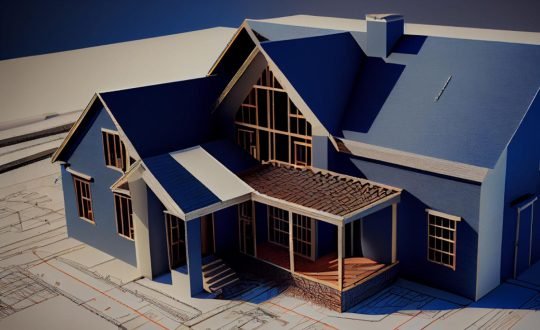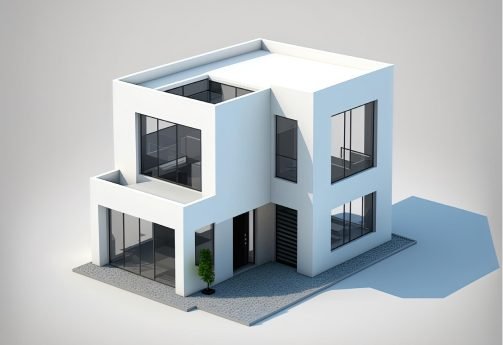

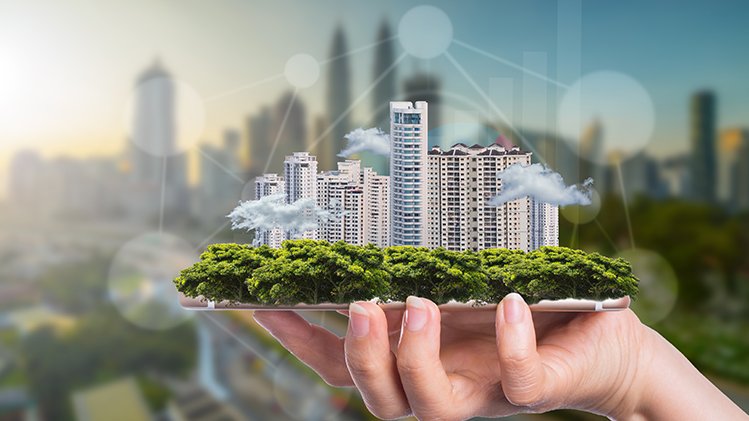
Urban planning serves as the blueprint for property development, dictating the layout, infrastructure, and overall functionality of urban spaces. Effective urban planning ensures that developments are cohesive, sustainable, and responsive to the needs of communities. From zoning regulations to transportation networks, every aspect of urban planning influences the real estate landscape.
Zoning regulations, for instance, designate areas for residential, commercial, industrial, and recreational purposes, guiding developers on the type of projects permissible in specific locations. This helps maintain a balance between different land uses and prevents incompatible developments from coexisting in close proximity.
Infrastructure planning is another critical aspect of urban planning that directly impacts property development. Adequate transportation networks, including roads, highways, and public transit systems, are essential for accessibility and connectivity. Developers often collaborate with city planners to ensure that new developments are seamlessly integrated into existing infrastructure or contribute to its expansion.
Furthermore, urban planners consider factors such as green spaces, public amenities, and environmental sustainability when designing urban environments. Incorporating parks, pedestrian-friendly pathways, and sustainable design practices not only enhances the quality of life for residents but also adds value to properties within the development.
In addition to shaping physical spaces, urban planning also addresses social and economic considerations. Affordable housing initiatives, mixed-use developments, and community facilities are examples of urban planning strategies aimed at promoting social equity and economic vitality within urban areas.
Overall, urban planning plays a multifaceted role in property development, encompassing spatial, social, economic, and environmental dimensions. By collaborating with urban planners and adhering to established planning principles, property developers can create vibrant, resilient, and sustainable communities that meet the needs of present and future generations.